Bringing an 1870s Ancestor to Life with AI
I recently experimented with animating a mid to late 1800s image of my ancestor, Hermann Jürgen Kroencke, using HeyGen. The original photograph, likely an 1870s tintype, was included in a family history book my father wrote about the Kroencke line (https://a.co/d/04OQQzBU), which I have now republished. The image showed visible age and damage, so the first step was careful digital restoration before attempting any animation.
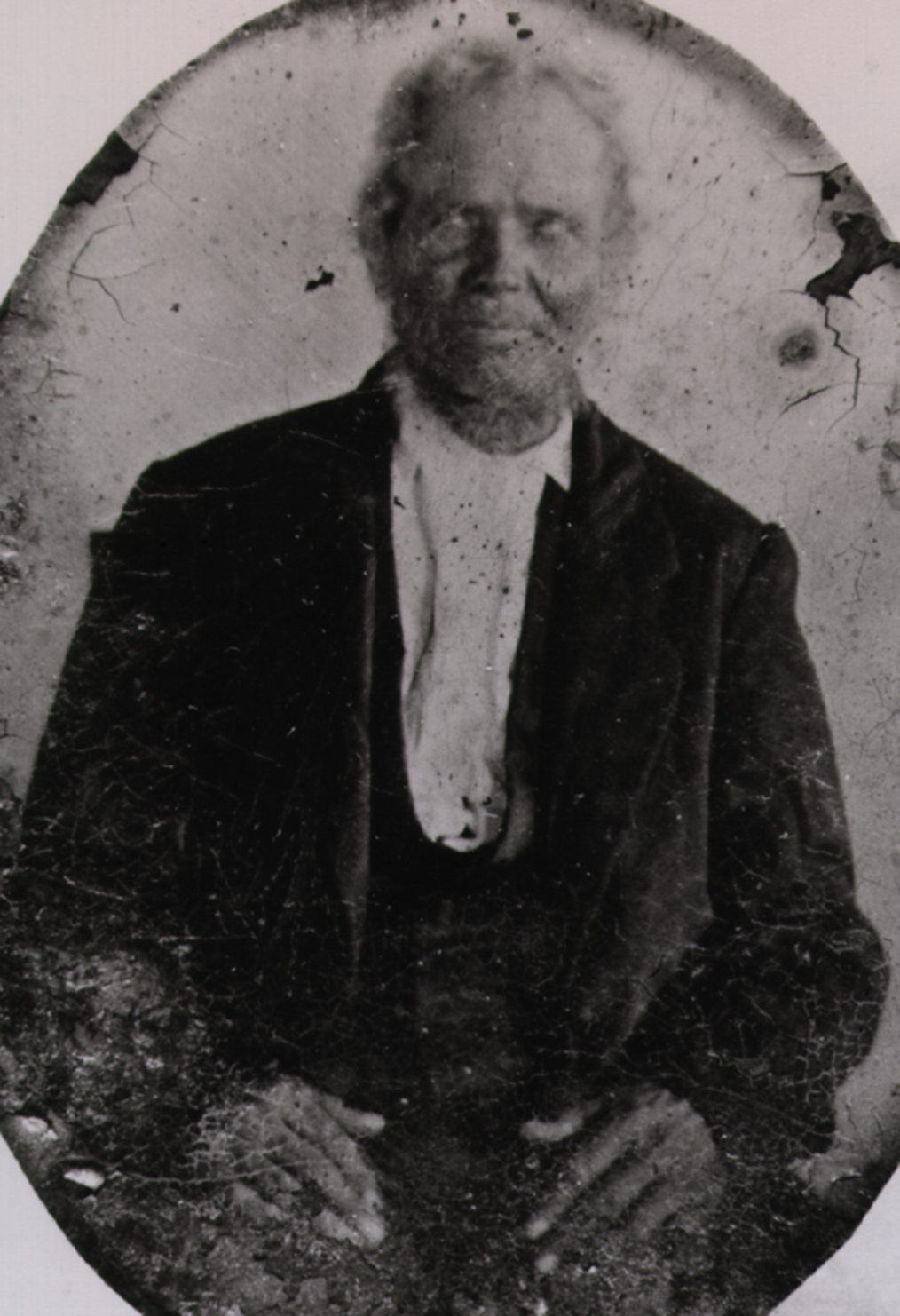
Hermann Jurgen Kroencke
For the restoration, I used the paid version of Google Gemini. My prompt is consistent across most historical restorations: “Restore this image, it’s an 1870s tintype. Keep as true as possible to the subject and background. Keep the resolution and size of the image the same.” The goal is not to modernize the photograph or invent missing details, but to improve clarity while preserving historical accuracy, lighting, and tone.
After restoring the image, I imported it into HeyGen to create a short animated video. I selected a German voice that sounded older, deep, and serious, aligning with the era and what I imagine Hermann might have sounded like. The narration script was created in ChatGPT using a chapter from the republished Kroencke book so that the spoken words were grounded in documented family research rather than invented storytelling.
The result is a brief animation in which a 19th-century ancestor appears to tell part of his own story. It does not replace original records or serve as evidence, but it adds a thoughtful storytelling layer built directly on documented history.
If you have a damaged or faded family photograph, I offer professional restoration and optional animation services.
And if you want to understand the risks and common pitfalls of AI photo restoration before starting, you can read my detailed blog post here:
https://www.technicalgenealogist.com/blog/ai-photo-restoration
